

Smarter choices that lead to Sustainable Living
Updated: Jul 26, 2025
In my earlier blog First steps towards Sustainable Living, I wrote about picturing yourself doing the activities or changing the habits to start living sustainably. This blog will emphasise a mix of smart choices, habits and activities which will transform you into living sustainably.
If we look at the actions we perform from the time we wake up to the time we sleep, we can start listing sustainable alternatives.
1) Bamboo toothbrush: I moved to bamboo toothbrush only after my existing toothbrush was worn out. I haven’t yet thrown the plastic toothbrush into the trash, but have kept that in my cleaning toolbox. It can be put to good use to clean corners and crevices of the house.
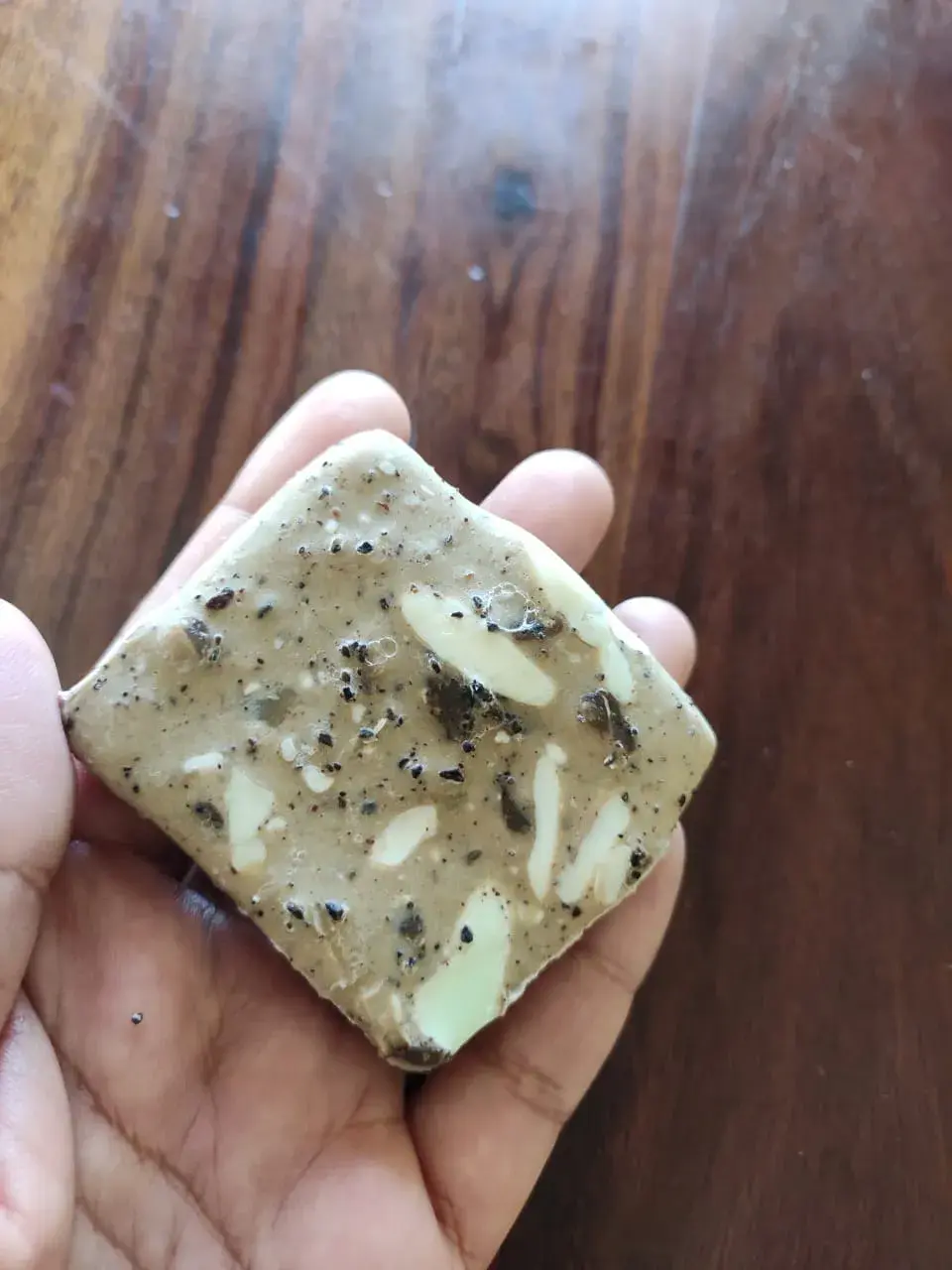
2) Recycling bathing bars: I have always used soap bars for bathing as it contains fewer pollutants than liquid soap which contaminates the water. Recently, I started recycling the leftover soap bar pieces. (I collect the left-over pieces for 4–5 months) I followed various YouTube links to make a new soap bar from old leftovers. I added a few coffee grounds to the mixture to make it a body scrub soap. One can also use Ubtan powder to the mixture. Some ways to do this — Reusing leftover soap pieces, How to recycle/rebatch the old soap
3) Use of pressure cookers: A pressure cooker uses way less energy to cook than in an open pot or pan. I came across this interesting article by Kristen Michaelis CNC (Founder and CEO of Food Renegade). She is a passionate advocate for REAL FOOD — food that’s sustainable, organic, local, and traditionally-prepared according to the wisdom of our ancestors. She mentions that science shows pressure cooking is healthy, saves time and energy.
One-Pot One Shot (OPOS) is a cooking style developed by B Ramakrishnan from Chennai, India and it is revolutionising Indian food with just a pressure cooker. This cooking style has a huge fan following and support group on Facebook. You can also follow OPOS Chef in a day page on Facebook.
Harshada Pethe, my college friend who is a mother of two kids started cooking OPOS style and says its a breeze cooking meals now. She cooks for her diabetic husband, fussy 5-year-old and her self-feeding almost 2-year-old anything and everything they crave for. The dining table is full of colours, flavours and healthy food without breaking a sweat. She hasn’t stopped here, she now takes classes for others to learn OPOS!
4) Buy in bulk: I buy all my groceries, in bulk. This saves money, frequent trips to buy things, the amount of plastic going into packaging, fuel, etc. I have a few big cereal plastic jars at home. I go to the local store with the jars and get my rice, dals, and other groceries. This way I avoid the plastic bag used for packaging. One can use cloth bags to get the grains from the shop and later store it at home as carrying many jars to the shop can be cumbersome.
5) Segregate your waste, compost the wet waste at home and recycle dry waste as much as possible: Segregation is the most basic step to start managing your household waste. I have two bins where I segregate my daily wet and dry waste. I collect old milk packets after rinsing and drying them separately. Once I collect a bag full, I give it to the door to door waste collector. The waste collector then sells these milk packets to the scrap dealer, who later sells it to the recycler. I don’t line my wet waste bin as it is emptied every day in the compost bin and washed. For the dry bin, I don’t use bin liner either and wash it once a week. You can use newspaper to line it to avoid plastic bin liners. I did use to line the dry bin with biodegradable bin liner but now I have stopped buying that too. Newspaper just works fine if you don’t want to get into the hassle of washing your bins.
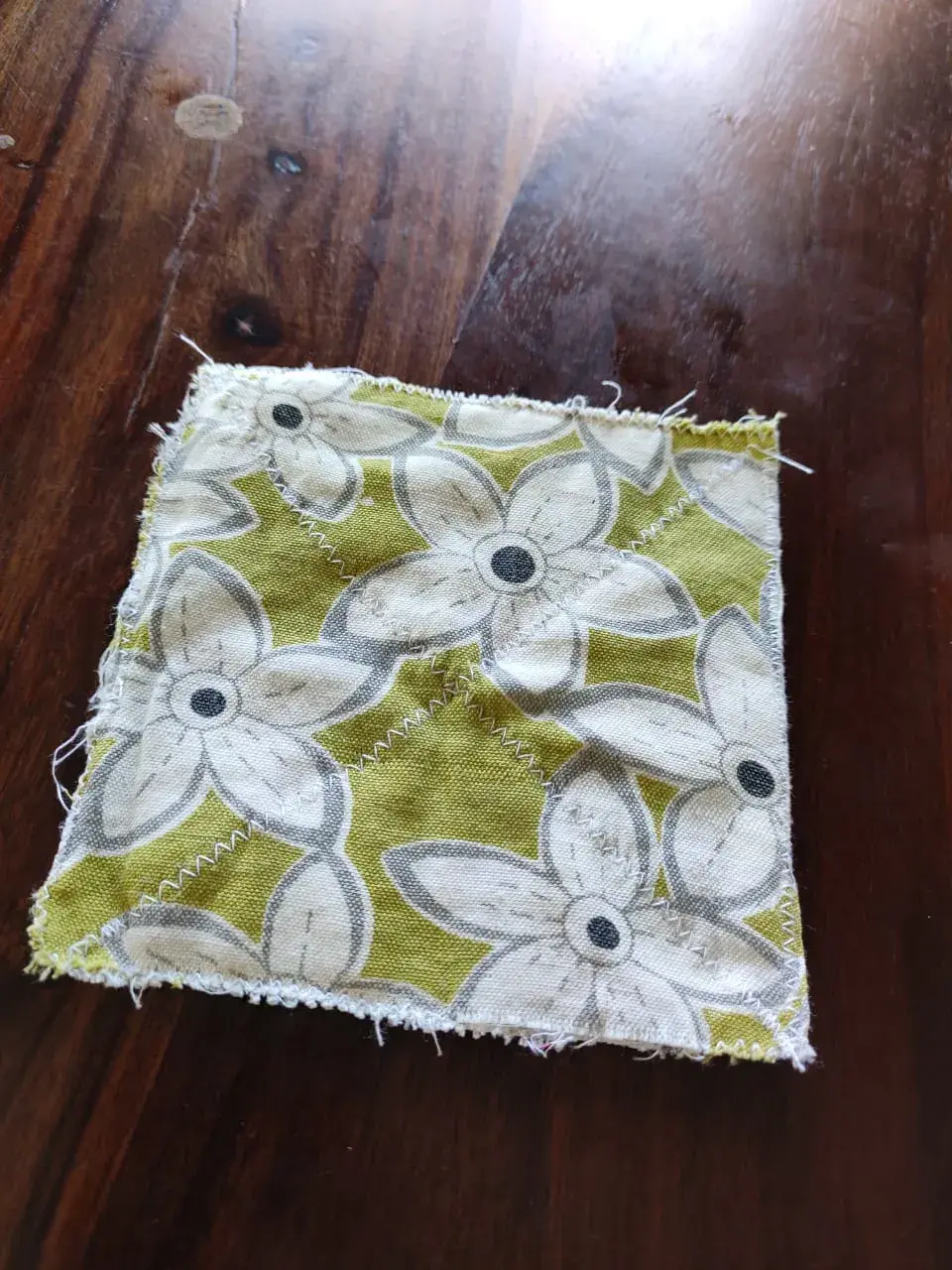
For E-waste, old shoes and clothes, there are plenty of organisations working (Goonj, SWaCH, SADS, GreenSole, Clothes Box Foundation or just do a quick Google search). I have started recycling and upcycling old clothes into makeup wipes, bags, coasters, table mats, quilted cushion covers, bathroom mats and quilted mats to sit on the floor. Some communities make quilts out of old clothes. One has to take the pain of locating these people in your city or village. Social media can of great help to trace them. I would request all the readers to add names of the people, organisations in your area in the comment section below who work in the field of recycling/upcycling/ quilt making of clothes so that other readers can benefit.
6) Home-made shampoo, detergents, cleaners: I started with age-old cleaning ingredients. Shikakai (Acacia concinna) and Reetha (Sapindus mukorossi, Indian soapberry/ washnut) which has natural cleansing properties. As a kid, my mother used to give me Shikakai and Reetha powder to wash my hair. That’s the only shampoo I know.
Mona Patro, good friend, sustainable practitioner, educator and co-founder of Red Stone Eco Centre and Organic Farm, Panchgani, uses Shikakai and Reetha liquid concentrate for hand wash, washing vessels, cleaning bathrooms of her farm stay. I gave it a try and use it for hand wash and washing kitchen towels. It is such a pleasure visiting her farm stay as I learn new ways to live sustainably. Kirti Negi Bajoria is a professional who is on a sabbatical makes a lot of household and personal care products on her own. You can follow her on YouTube and get plenty of information and easy recipes for floor cleaner, shampoo and body wash, handwash, dog wash, hair conditioner, detergent and fabric softener, all with one main ingredient that is Reetha!
6.1) Bio enzymes: This again was learned on Mona’s farm stay. It is very simple to make your floor cleaners and a variety of vinegar at home. I used mango peels last summer to make it. Put 1-part jaggery: 3 parts fruits peels: 10 parts water in a bottle and close the lid and keep it in a place with low light. For a week or more depending on what fruit peel you have used, open the lid every day and let the gas formed out. After a week or so, let it sit for 3 months until the water looks clear. And you are ready to use it. If you use a glass bottle to make the bio enzyme then you can consume it and also used as a floor cleaner, if made in a plastic bottle then you will have to only use it as a cleaner. I used mine as a floor cleaner.
7) Use of cloth diapers/ cloth sanitary napkins/ menstrual cup: I used cloth diapers for my daughter when we were out in the park, restaurants, activity centre, travelled in the plane or car. There are cloth diapering communities on Facebook and support group to help you what to buy and to troubleshoot. The good thing is these cloth diapers last for years. After my daughter was potty trained, I gave it to my friends who needed it. It gives such a good feeling when you have people with a similar vision of living sustainably around you and hand down the products.
I personally never used cloth sanitary napkins because I thought it would be difficult to travel while using it. I but I know friends who use it and are pretty happy about it. I went for a menstrual cup. Watched a lot of videos online on how to use it. It is extremely comfortable, reusable and cost-effective! Saves the hassle of buying disposable napkins every month and disposing of it which ultimately piles up in the landfill.
One may think that making cleaners, or compost at home will take away a lot of their time every day in maintaining it or making it. But from my experience, it takes only a few minutes or an hour once a week. The further you go into changing your lifestyle you start managing your time so well that you won’t think of it as an extra job. Now for extremely busy people who don’t have time to make things at home but want to follow a sustainable lifestyle, you can buy the products at zero waste shops. Adrish is one such shop recently started in Pune and Mumbai, India. This can also be a good opportunity for an enthusiast to start a new business from home. Just like catering meals, one can start selling home-made sustainable products like cleaners, bio enzymes, shampoos, soaps, detergents, etc.
There are many things you can change which I haven’t mentioned here like carrying your cloth bag, steel straw, etc.
With us changing our habits, it is very crucial for our house helps to understand and educate our daily changes like segregation, composting. It took a lot of time for my house-help not to put cut milk packet corners in the wet waste bin. Today she does a great job keeping the waste segregated and helps me throughout the process of composting and using it to grow veggies in my balcony garden :)


Comments